


Opening a utility bill should be a routine task, but for many homeowners in Southwestern Ontario, it occasionally becomes a source of genuine shock. An unexpected water bill spike London residents experience is rarely a minor fluctuation; it is often the first warning sign of a significant underlying issue. In fact, research suggests that approximately 14% of indoor water use in a typical residence is lost to leaks.
When a bill doubles or triples without a change in household habits, the cause is almost certainly an invisible plumbing failure that has been running unchecked for weeks.
Drawing on our experience analyzing home costs and consulting with local plumbing experts, we understand the patterns behind these sudden spikes. When faced with these escalating costs, many homeowners begin searching for a licensed plumber London homeowners trust for fast leak detection and high water bill issues. Addressing the problem early is the only way to stop the financial drain, as water rates continue to climb and aging infrastructure in older neighborhoods becomes more susceptible to pressure changes.
By understanding why these spikes occur and identifying the culprits behind the numbers, you can regain control over your monthly expenses and protect your property from potential water damage.
How Much Is a "Normal" Water Bill in London?
To identify a spike, one must first understand the baseline. In London, Ontario, water and wastewater billings are bundled together, meaning that for every liter of water that enters your home, you are also charged for its eventual exit through the sewer system. For a standard household of three to four people, the average monthly water bill London residents typically experience tends to fluctuate based on seasonal usage patterns, with noticeable increases during periods of higher outdoor water consumption like gardening or pool filling.
Usage is generally measured in cubic meters (1m^3 = 1,000 liters). A typical local family consumes roughly 15 to 20 cubic meters per month. If your statement shows a jump to 30 or 40 cubic meters without an extra person moving in, it is highly unlikely to be a simple "heavy usage month"—you are almost certainly looking at a leak.
London residents can now monitor consumption in near real-time through the city’s online utility portal, making it easier to spot unusual spikes long before the bill arrives. Many homeowners also find that installing a smart water meter or using a simple leak-detection dye in toilets helps confirm whether a hidden leak is driving up their monthly total.
What Increases Your Water Bill the Most?
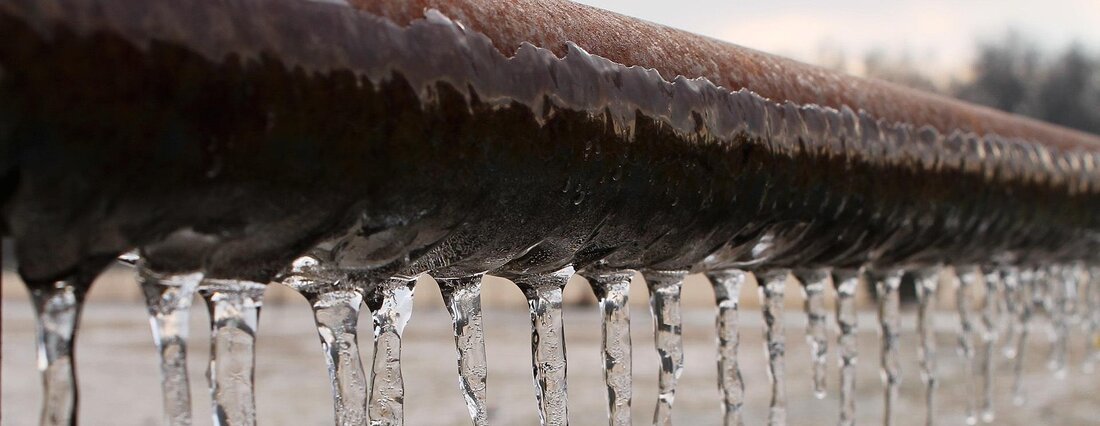
While most people blame long showers or extra laundry loads for high costs, these habits rarely cause a sudden, massive surge. The biggest contributors to a high bill are continuous-flow issues. A shower eventually turns off, but a leak runs 24 hours a day, 365 days a year.
A single running toilet can waste more water in a week than a family uses for bathing in an entire month. Because this water often flows directly into the sewer or underground, it remains invisible to the homeowner, making it the most expensive type of water waste.
The Most Common Reasons Your Water Bill Suddenly Spikes
Plumbing systems are under constant pressure, and over time, mechanical parts simply fail. If your costs have surged, the culprit is usually found in one of these areas:
- The Running Toilet: A faulty flapper valve or fill valve allows water to silently trickle into the bowl around the clock.
- Dripping Faucets: Even a slow drip from a kitchen or bathroom sink adds up to hundreds of liters over a billing cycle.
- Water Softener Malfunctions: If the unit gets stuck in its regeneration cycle, it can send water directly into the floor drain for days on end.
- Irrigation Leaks: A cracked sprinkler head or a split underground line in the backyard can leak thousands of liters into the soil.
- Service Line Leaks: This occurs in the main pipe connecting the city water line to your home, often staying hidden underground.
Hidden Leaks: The #1 Reason Homeowners Miss
The most dangerous leaks are the ones you cannot see or hear. A pinhole leak in a copper pipe behind a basement wall or under a concrete slab can release a constant stream of water. Because these leaks are "clean," they may not immediately produce a foul smell, allowing them to persist for months.
The financial impact is staggering. A leak as small as 1/8th of an inch can waste nearly 3,500 liters of water in a single day. Over a standard 30-day billing period, that is over 100 cubic meters of water. In London's current rate structure, this could easily add $300 to $500 to a single monthly bill. Beyond the cost, the moisture can lead to mold growth and structural rot.
Warning Signs You Should Never Ignore
Your home often provides physical clues that something is wrong. Homeowners should stay alert for these "red flags":
- The "Hissing" Sound: Hearing water running through pipes when no taps are open.
- Unexplained Damp Spots: Warm or wet patches on the floor or discolored spots on ceilings.
- Drop in Water Pressure: If your shower feels weaker, water may be escaping the system before it reaches the fixture.
- The Meter Test: If the "leak indicator" on your meter is spinning while all water is turned off.
- Increased Humidity: An unexplained rise in indoor humidity or a persistent musty odor in the basement.
How Much Water (and Money) You Might Be Losing
To put the cost of neglect into perspective, consider the math behind common household leaks over a 30-day period:
- A Dripping Faucet: One drip per second can waste over 800 liters per month.
- A Running Toilet: A moderate "silent" leak can waste up to 750 liters per day, adding roughly $70 to your monthly bill.
- A Large Pipe Leak: A significant crack in an underground line can lose 15,000+ liters per month, often doubling your costs.
How to Prevent Sudden Water Bill Spikes
Consistency in maintenance is the best defense. Homeowners should perform a "dye test" on their toilets once a year by dropping food coloring into the tank. If it appears in the bowl without flushing, the flapper needs replacement.
Additionally, check your water meter once a month rather than waiting for the bill to arrive. This allows you to catch a usage increase within days rather than weeks. Finally, ensure that outdoor hoses are disconnected before the first frost to prevent pipes from bursting inside the walls during the winter.
When to Call a Professional
Not all leaks are easily accessible. While a homeowner can often swap out a toilet flapper, identifying a leak under a concrete slab or inside a wall requires specialized equipment. If you have confirmed a usage spike through your meter but cannot find the source, it is time to bring in an expert.
In such cases, contacting a professional service like Superior Plumbing & Heating is the most cost-effective move. They utilize acoustic leak detection and thermal imaging to find the exact source of the problem without tearing into your drywall unnecessarily. Modern plumbing issues in London Ontario often require these high-tech solutions to ensure the repair is handled correctly the first time.
Conclusion
Addressing a water bill spike London, Ontario is a time-sensitive task. Whether it is a simple worn-out seal in a guest bathroom or a more serious underground pipe failure, the cost of the wasted water will quickly outpace the cost of a professional inspection.
By staying vigilant, performing basic annual checks, and understanding the typical costs for your household size, you can protect your home and your budget. Remember, in the world of plumbing, a small drip today is almost always a major headache tomorrow. Staying proactive is the only way to ensure your hard-earned money isn't literally going down the drain.
