


Winter brings snow-covered landscapes and cozy evenings by the fireplace. But it also brings a hidden danger that many homeowners don't think about until it's too late. Frozen pipes can cause thousands of dollars in damage and turn your home into a disaster zone within hours. Having guided countless Canadian homeowners through winter property maintenance, we know firsthand how costly and disruptive pipe damage can be.
When temperatures drop below freezing, the water inside your pipes can freeze solid. This creates pressure that pipes simply can't handle. When these pipes burst, they release gallons of water into your walls, floors, and ceilings. Many homeowners who face this situation need to call a double clean restoration to help repair the extensive damage.
Understanding Why Pipes Freeze
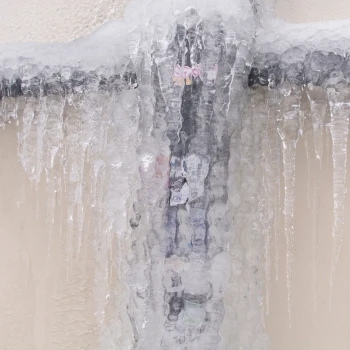
Water expands when it freezes. This is a simple fact of science that causes major problems in your plumbing system. As ice forms inside a pipe, it takes up more space than the liquid water did. This expansion creates enormous pressure on the pipe walls.
Pipes don't always burst at the frozen section. The pressure often causes breaks in other parts of the plumbing system. This makes frozen pipes especially tricky to deal with. You might not even know where the actual damage occurred until water starts flooding your home.
Certain pipes are more vulnerable than others. Pipes in unheated areas like basements, attics, and garages freeze first. Outdoor hose bibs and pipes running along exterior walls also face higher risks. Even pipes in heated spaces can freeze if cold air leaks in through cracks or gaps.
The Real Cost of Frozen Pipe Damage
The average insurance claim for frozen pipe damage exceeds $10,000. Some homeowners face bills of $50,000 or more when pipes burst in critical locations. These numbers don't even account for the stress and disruption to your daily life.
Water damage from burst pipes affects more than just your plumbing. Hardwood floors can warp beyond repair. Drywall becomes soaked and needs replacement. Carpets and furniture absorb water like sponges. Electrical systems can short circuit, creating fire hazards. In multi-unit properties like condos, water damage can also affect neighboring units, potentially leading to liability claims and disputes with your condo board.
Mold growth is another serious concern. Mold can start growing within 24 to 48 hours of water exposure. Once mold takes hold in your walls or under your floors, removal becomes expensive and complicated. Some types of mold also pose health risks to your family.
Beyond these immediate costs, many homeowners are surprised to learn that their insurance policy may have specific conditions for frozen pipe claims, such as requiring proof that the home was regularly heated or that water was shut off during extended absences. Understanding these coverage gaps is especially important for condo owners and seasonal residents.
Warning Signs Your Pipes Might Freeze

Catching frozen pipes early can prevent a complete disaster. Pay attention to these warning signs during cold weather. Your pipes might be freezing if you notice reduced water pressure from your faucets. When ice blocks part of a pipe, less water can flow through.
Strange sounds coming from your pipes are another red flag. You might hear banging, clanking, or gurgling noises. These sounds indicate that water flow is restricted or that air is trapped in the system.
Frost on exposed pipes is an obvious sign of trouble. If you can see frost on the outside of a pipe, the inside is definitely frozen. Check pipes in basements, crawl spaces, and along exterior walls regularly during freezing weather.
Unpleasant odors from your drains or faucets can also signal frozen pipes. When a pipe freezes completely, it blocks sewer gases from escaping through their normal route. These gases then back up into your home through other drains.
Inspecting your pipes is one of the 16 maintenance tips we shared for condo upkeep.
High-Risk Areas in Your Home
Knowing where pipes are most likely to freeze helps you focus your prevention efforts. Exterior walls are the number one problem area. Pipes running through walls that face outside get exposed to cold air and wind.
Unheated or poorly insulated spaces create perfect conditions for frozen pipes. Basements, crawl spaces, attics, and garages often lack adequate heating. Even a small amount of insulation can make a big difference in these areas.
Kitchen cabinets along exterior walls hide vulnerable pipes. The cabinet doors block warm air from reaching the pipes underneath your sink. This is especially true for homes built on concrete slabs where pipes run through exterior walls.
Outdoor fixtures need attention too. Hose bibs, irrigation systems, and swimming pool supply lines all contain water that can freeze. Many homeowners forget about these outdoor connections until spring arrives.
Prevention Strategies That Actually Work

Preventing frozen pipes is much easier and cheaper than dealing with burst pipe damage. Start by adding insulation to vulnerable pipes. Foam pipe sleeves are inexpensive and easy to install. They provide a protective barrier against freezing temperatures.
Keep your thermostat at a consistent temperature, even when you're away from home. Dropping the temperature to save money on heating bills can end up costing you thousands in water damage. Maintain a minimum temperature of 55 degrees Fahrenheit throughout your home.
Let faucets drip during extremely cold weather. Running water is much harder to freeze than standing water. Even a small trickle can prevent ice from forming inside your pipes. Focus on faucets along exterior walls or in unheated spaces.
Open cabinet doors under sinks to allow warm air circulation. This simple step helps keep pipes behind cabinets from freezing. It's especially important for kitchens and bathrooms along exterior walls.
Seal air leaks around pipes where they enter your home. Caulk or spray foam works well for small gaps. Larger openings might need expanding foam or other insulation materials. Don't forget to check areas where cable or phone lines enter your home.
What to Do When Pipes Freeze
If you turn on a faucet and only a trickle comes out, you probably have a frozen pipe. Don't panic, but act quickly. Keep the faucet open so water and steam can escape as the ice melts.
Apply gentle heat to the frozen section of pipe. A hair dryer, heat lamp, or electric heating pad works well. Never use an open flame, propane torch, or other high-heat source. These can damage pipes or start fires.
Start heating the pipe closest to the faucet and work backward toward the frozen area. This allows melting ice to escape through the open faucet. If you heat the middle of a frozen section first, expanding water has nowhere to go.
If you can't locate the frozen pipe or can't reach it safely, call a professional plumber immediately. Some frozen pipes hide inside walls or under floors where homeowners can't access them.
When Professional Help Becomes Necessary
Some frozen pipe situations require professional intervention. If water is already flooding your home, turn off the main water supply immediately. Then contact a professional restoration service to minimize damage.
Pipes frozen inside walls or ceilings need professional assessment. Trying to thaw these pipes yourself can cause more damage. Professionals have specialized equipment to locate and safely thaw hidden frozen pipes.
If you've discovered a burst pipe, quick action is critical. Every minute counts when water is pouring into your home. Professional restoration teams can extract water, dry affected areas, and prevent mold growth.
Winter water damage from frozen pipes represents one of the most expensive problems homeowners face. Taking preventive measures costs little compared to dealing with burst pipe damage. Insulate vulnerable pipes, maintain consistent heating, and stay alert for warning signs during cold weather. If disaster strikes despite your best efforts, don't hesitate to contact professionals who can help restore your home quickly and effectively.
