


Condo interior design addresses space optimization, furniture selection, and aesthetic configuration within limited square footage typical of condominium units. Design solutions prioritize functional efficiency while maintaining visual coherence across interconnected living spaces.
At Precondo, our team of seasoned real estate experts has advised thousands of condo buyers on design choices for both preconstruction and existing units. Today, we're sharing our top advice when it comes to the best interior design tricks.
In no particular order, here are 5 steps to help you achieve your dream condo design.
Quick Summary
- Effective condo interior design focuses on maximizing limited square footage through strategic furniture selection, clever storage solutions, and visual space-enhancing techniques like mirrors and light-colored schemes.
- The foundation of successful condo design begins with choosing a cohesive theme that reflects your lifestyle while maintaining flexibility for future updates through neutral base colors and statement accent pieces.
- Multi-purpose furniture becomes essential in condo living, with pieces like convertible dining tables, storage ottomans, and wall-mounted solutions serving dual functions to optimize space efficiency.
1. Planning and Foundation
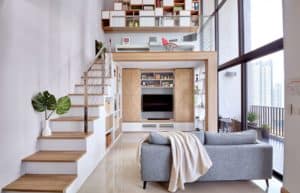
Theme selection determines color palette, furniture style, and spatial configuration. Neutral color schemes provide base flexibility for future modifications through accent walls and decorative elements.
Mood boards compile color swatches and material samples for visualization prior to implementation.
Room-specific lighting conditions and available square footage determine color viability. Natural light levels affect color perception and saturation.
Floor plan analysis identifies functional zones and circulation patterns. Measurement documentation includes ceiling height, window placement, and architectural constraints. Assessment determines furniture dimensions and placement parameters.
Cost distribution across design elements requires prioritization based on functional necessity and return on investment metrics.
2. Space Optimization Strategies
 Furniture dimensions correlate directly with perceived and functional space availability. Oversized furniture reduces circulation space and creates visual congestion.
Multi-purpose furniture consolidates functions:
- Convertible dining tables serve as workspaces
- Sofa beds provide guest sleeping accommodation
- Storage ottomans combine seating and concealed storage
- Wall-mounted desks fold when not in use
Integrated storage features include under-bed drawers, coffee tables with built-in shelving, and hollow seating units.
White and light-colored furniture increases perceived spatial dimensions through light reflection.
Visual Space Enhancement
Mirrors amplify natural light and create depth perception. Strategic placement in entry areas and narrow corridors expands visual boundaries. Wall-mounted mirrors conserve floor space compared to freestanding units.
Light-colored paint schemes reflect ambient light, increasing brightness levels without additional fixtures. Reflective surfaces including glass and polished metals compound this effect.
Glass elements maintain visual continuity while providing functional separation. Glass shelving, tabletops, and partition walls preserve sightlines across spaces
3. Room-by-Room Applications
Living Areas
Open-concept layouts maximize spatial flow between functional zones. Furniture arrangement defines activity areas without physical barriers.
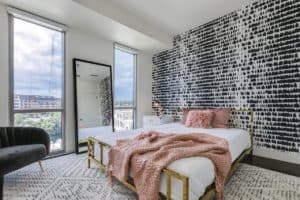
Geometric design elements include angular furniture profiles, patterned textiles, and structured accessories. Geometric patterns create visual interest and contemporary aesthetic.
Wall space utilization includes vertical storage systems, floating shelves, and mounted displays. Biophilic design integrates plant life through wall-mounted planters and living wall systems. Average indoor time reaches 90% of total hours.
Kitchen Design
Kitchen islands provide preparation surface area, dining space, and concealed storage capacity. Island dimensions range from compact mobile units to permanent installations with integrated appliances.
Standard investment: $3,000-$8,000 ROI at resale: 75-85% Installation timeline: 2-4 weeks Annual maintenance: $50-100 Rental value increase: $150-300/month
Bathroom Solutions
Glass shelving provides storage capacity while maintaining visual openness. Glass surfaces resist moisture damage and facilitate cleaning. Light reflection properties enhance illumination.
Mirror installation serves functional and spatial purposes. Wall-mounted configurations eliminate floor space requirements.
Bedroom Configuration
Built-in storage systems maximize vertical space through floor-to-ceiling cabinetry. Custom closet organization increases capacity 40-60% compared to standard configurations.
Standard investment: $1,500-$4,000 ROI at resale: 70-80% Installation timeline: 1-2 weeks Annual maintenance: $30-75 Rental value increase: $75-150/month
Convertible furniture includes Murphy beds and lofted sleeping platforms with integrated workspace below.
5. Surface and Finishing Elements
Wall Treatment Options
Wallpaper provides decorative surface finish and thermal insulation properties superior to paint. Heat retention increases approximately 20% compared to painted surfaces. Available formats include photography-based prints, textile patterns, and textured finishes.
Application methods include full-room coverage or accent wall installation. Accent walls create focal points and define spatial zones.
Paint remains standard wall treatment due to cost efficiency and application simplicity. Color selection follows theme parameters established during planning phase.
Window Treatments
Curtains serve multiple functions:
- Light blockage for sleep optimization
- Privacy screening
- Acoustic dampening
- Thermal insulation
- Decorative element
Floor-to-ceiling installations increase perceived ceiling height through vertical line emphasis. Material options include blackout fabrics, sheer materials, and layered combinations.
Curtains provide residential aesthetic compared to commercial appearance of blinds.
Wall Space Utilization
Wall surface area represents largest available space within residential units. Utilization strategies include mounted storage, display systems, and functional fixtures.
Shelf installation provides storage without floor space consumption. Configurations include floating shelves, bracketed systems, and built-in alcoves.
Plant integration through wall-mounted systems introduces biophilic elements. Living wall tiles support plant growth through integrated irrigation systems.
The following video shows Youtuber Lily Rose creating some DIY geometric interior designs. If you try this yourself, be sure to tag us over on Instagram.
Related Articles: Condo Living Room Ideas
Cost-Benefit Analysis of Interior Design Elements
As of our latest review, here's a comprehensive cost-benefit analysis of popular interior design elements for condo upgrades. These figures reflect current market conditions and can vary by region, contractor, and material selections:
| Design Element | Initial Investment | ROI at Resale | Timeline to Completion | Maintenance Cost (Annual) | Impact on Rental Value |
|---|---|---|---|---|---|
| Kitchen Island | $3,000 - $8,000 | 75-85% | 2-4 weeks | $50-100 | +$150-300/month |
| Built-in Storage | $2,500 - $6,000 | 80-90% | 3-5 weeks | $25-50 | Market Statistics and Design Trends
Canadian Condo Design Market Insights:
Are You Ready to Transform Your Condo?Your condominium is your own private space that you call home. Like any home, it's important to put your own personal stamp on the place, while continuing to maximize the interior design potential of the property. Interior design can seem overwhelming, but you don't have to be a designer to make your condo space work for you. By keeping things simple and adding small touches, you can create a beautiful home design with minimal cost and effort. Whether you have lots of space, or if you are living in a small condo - we hope you've found the above design ideas useful. Condos are an excellent living option to reside in. For exclusive access to all the new and upcoming condos in Canada, visit Precondo. Here's you'll find exclusive access to the latest properties for sale and rent in Toronto. Plus, we have a range of pre-construction condos too. References:
|
