


Cooling a loft without windows can be challenging due to the lack of natural ventilation and air flow, but there are several effective solutions to improve air circulation and reduce hot air buildup. Our team has helped numerous loft owners apply these strategies in real-world spaces, from compact urban units to sprawling open-concept layouts.
Windowless spaces trap heat more readily than conventional rooms, with temperatures potentially rising 15-20°F above outdoor temperatures without proper cooling systems.
Heat accumulates through conduction from surrounding walls, radiation from lighting and electronics, and convection from warm air circulation patterns.
A combination of air conditioning solutions, natural cooling methods, and DIY techniques can help keep a loft cool and comfortable throughout even the hottest months.
Quick Summary
- Portable air conditioners are the most versatile solution for windowless lofts, with modern units capable of cooling spaces up to 500 square feet while using 30-50% less energy than older models, making them ideal for renters or those seeking flexible cooling options.
- Wall-mounted ductless systems provide permanent cooling solutions with SEER ratings up to 30, making them highly energy-efficient for year-round climate control and a worthwhile investment for long-term loft owners.
- Strategic ventilation combined with fan placement can reduce indoor temperatures by 10-15°F even without mechanical cooling, according to the Department of Energy, offering a cost-effective first step before investing in major cooling infrastructure.
1. Air Conditioning Solutions

Portable Air Conditioners
Portable air conditioners are a great solution for cooling a room with no windows, as they can be easily moved and do not require installation in an exterior wall. These units work by exhausting hot air through a flexible hose that can be routed through a door, wall opening, or drop ceiling.
Modern portable units range from 8,000 to 14,000 BTUs, with Energy Star certified models offering superior efficiency ratings.
The key advantage of portable air conditioners lies in their flexibility and immediate cooling capacity. Unlike window units, they don't require structural modifications and can be relocated as needed. Most units include dehumidification features, which is particularly beneficial in humid climates where excess moisture compounds cooling challenges. Many newer models now feature inverter technology and smart controls, allowing for quieter operation and more precise temperature management.
Ductless Mini-Split Systems
Ductless air conditioners, such as mini split systems, provide a more permanent solution and can be installed in a wall to circulate cool air effectively. These systems consist of an outdoor condenser unit connected to one or more indoor air handlers via refrigerant lines. Installation requires only a small hole through the wall for the connecting lines, making them ideal for lofts where traditional ducted systems aren't feasible.
According to the U.S. Department of Energy, ductless systems can be 30% more efficient than traditional central air systems, with SEER ratings ranging from 13 to 30 or higher [1].
2. Wall-Mounted Cooling

Wall-mounted air conditioners are a great option for lofts without windows, as they do not require a window for installation and can be easily mounted on an exterior wall.
These units, also known as through-the-wall air conditioners, are installed by creating an opening in an exterior wall and sealing the unit in place with appropriate weatherproofing materials.
These units can provide a high level of cooling power and can be controlled to maintain a consistent room temperature through built-in thermostats and programmable timers. Most wall-mounted units offer cooling capacities ranging from 8,000 to 24,000 BTUs, suitable for loft spaces between 300-1,500 square feet.
Many models include air filtration systems that remove dust, pollen, and other airborne particles, which is particularly beneficial in enclosed loft spaces where air circulation is naturally limited.
3. Fan-Based Cooling Solutions
Ceiling Fans
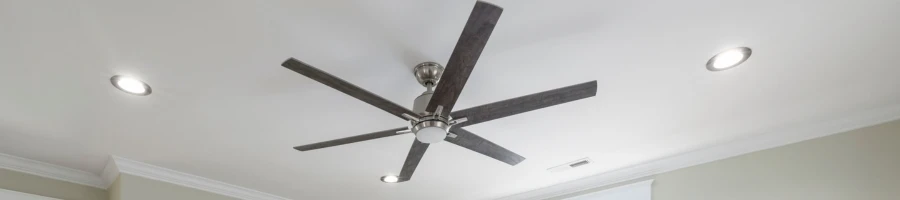
Ceiling fans can be an effective way to improve air circulation and reduce hot air in a loft without windows. According to the American Society of Heating, Refrigerating and Air-Conditioning Engineers (ASHRAE), ceiling fans can make occupants feel 6-8°F cooler by creating chilled air, allowing thermostats to be set higher while maintaining comfort [2].
Using a ceiling fan in conjunction with a portable air conditioner or wall-mounted unit can enhance the cooling effect and provide a cooler air flow.
This combination approach can reduce energy consumption by up to 40% compared to air conditioning alone, as the air movement allows for higher thermostat settings while maintaining comfort levels.
Strategic Fan Placement
Floor fans can also be used to circulate air and provide a cool breeze, especially when used with ice cubes or cold water in DIY cooling setups. Positioning fans to create cross-ventilation patterns, even in windowless spaces, helps prevent hot air stagnation and improves overall air circulation.
Tower fans and oscillating models are particularly effective for creating broad air movement patterns in loft spaces.
4. Natural Cooling Methods

Alternative Ventilation
Natural ventilation can be achieved by using roof windows, skylights, or opening doors to allow fresh air to enter and hot air to escape.
Another effective option is custom shaped window installation, which can be designed to fit unique loft layouts while increasing airflow and natural light.
This method leverages the stack effect, where hot air naturally rises and exits through higher openings while cooler air enters from lower levels. Even in lofts without traditional windows, roof access or stairwell ventilation can provide some natural cooling benefits.
The National Renewable Energy Laboratory notes that natural ventilation can provide adequate cooling in climates where outdoor temperatures drop below 75°F at night [3].
Evaporative Cooling
Using natural cooling methods, such as evaporative coolers or swamp coolers, can also provide a cooling effect without using a lot of energy.
These systems work by drawing warm air through water-moistened pads, causing evaporation that cools the air by 15-40°F depending on humidity levels. Evaporative coolers use 75% less energy than conventional air conditioners, making them an eco-friendly option for dry climates.
5. Lighting and Appliance Solutions

Energy-Efficient Lighting
Traditional incandescent bulbs convert only 10% of their energy into light, with the remaining 90% released as heat. In contrast, LED bulbs produce 75% less heat while using 80% less energy, significantly reducing the cooling load in enclosed spaces.
The Environmental Protection Agency estimates that switching to LED lighting can reduce cooling costs by 10-15% in spaces without natural light sources [4].
For loft spaces that require artificial lighting throughout the day, this heat reduction can make a substantial difference in overall comfort and cooling costs.
Heat-Generating Appliances
Using energy-efficient appliances and turning off lights and electronics when not in use can also help reduce excess heat and improve air quality.
The Lawrence Berkeley National Laboratory found that phantom loads from electronics can add 5-10% to cooling costs in residential spaces [5].
Installing loft insulation, such as mineral wool or spray foam, can also help reduce heat transfer and keep the loft cool. Proper insulation with R-values of 30-60 (depending on climate zone) can reduce cooling loads by 20-50% according to the Department of Energy's recommendations for attic and roof insulation.
6. DIY Cooling Solutions

Homemade Air Conditioning
A simple ice fan setup involves placing a bowl of ice water in front of a fan, which can lower the immediate air temperature by 10-20°F in the fan's direct path.
More sophisticated DIY approaches include creating swamp coolers using fans, wet towels, and water circulation systems. While these methods won't match the cooling capacity of commercial air conditioning, they can provide relief at a fraction of the energy cost and are particularly effective in dry climates.
Improved Air Circulation
Creating air circulation patterns through strategic fan placement, even in a windowless room, helps prevent hot air pockets and improves the effectiveness of any cooling system.
Keeping doors open and using extractor fans can also help improve air circulation and reduce humid air.
Bathroom exhaust fans, kitchen range hoods, and even computer cooling fans can be repurposed to move air and create beneficial circulation patterns in windowless loft spaces.
7. Advanced Cooling Strategies

Thermal Mass and Radiant Barriers
Installing radiant barriers in the roof or walls can reflect up to 97% of radiant heat, significantly reducing cooling loads. These reflective materials are particularly effective in loft spaces where roof surfaces receive direct solar radiation throughout the day.
Smart Cooling Controls
Programmable thermostats and smart controls can optimize cooling system operation by running equipment during off-peak hours or when electricity rates are lower. Smart sensors can also trigger cooling systems based on occupancy, ensuring energy isn't wasted cooling empty spaces.
FAQs
How much does it cost to cool a windowless loft?
Operating costs range from $50-150 monthly for portable AC units, while ductless systems cost $75-200 monthly but offer better long-term efficiency.
Can fans alone cool a loft without windows?
Fans can reduce perceived temperature by 6-8°F through wind chill effect, but won't lower actual air temperature without additional cooling methods like ice or evaporation.
Do I need professional installation for loft cooling?
Portable units require no installation, while ductless systems and wall-mounted units need professional installation costing $1,500-4,000.
How do I prevent moisture buildup when cooling a windowless loft?
Use air conditioners with built-in dehumidifiers, ensure proper drainage for portable units, and maintain ventilation through doors or exhaust fans.
What size cooling unit do I need for my loft?
Calculate 20 BTUs per square foot for basic cooling, adding 10% for poor insulation or high ceilings common in loft spaces.
Are DIY cooling methods effective?
DIY solutions like ice fans can provide 10-20°F temperature drops in immediate areas but aren't sufficient for whole-room cooling in extreme heat.
How can I reduce cooling costs in a loft?
Use LED lighting, improve insulation, combine fans with AC to raise thermostat settings, and operate cooling during off-peak electricity hours.
References:
- https://www.energy.gov/sites/default/files/2022-08/energy-saver-guide-2022.pdf
- https://www.ashrae.org/technical-resources/bookstore/standard-55-thermal-environmental-conditions-for-human-occupancy
- https://www.researchgate.net/publication/299391831_Natural_ventilation_environment_strategy_in_green_building_design
- https://www.energy.gov/energysaver/lighting-choices-save-you-money
- https://www.sciencedirect.com/science/article/abs/pii/S0378778821001766
