


Canada has somewhere between 158,000 and 165,000 licensed realtors right now. Every one of them is registered through the Canadian Real Estate Association (CREA) across more than 70 regional boards.
Ontario still dominates. Alberta is growing fast. The number of real estate agents in your area affects who you might work with and how much bargaining power you have when buying or selling a home.
As founder of Precondo, I’ve spent the past 10 years watching those numbers move firsthand. Here’s what they actually mean if you’re buying or investing.
Quick Summary
- The realtor number is down from a pandemic peak of 170,000+, with Ontario alone accounting for nearly 90,000, more than half the national total.
- Agent density varies sharply by province: BC, Alberta, and Quebec follow Ontario, while Yukon and Nunavut have fewer than 100 each.
- Roughly 20% of agents handle 80% of all transactions, meaning the headcount alone doesn't tell you much about who's actually active.
What Organization Counts Realtors in Canada?

The Canadian Real Estate Association counts realtors in Canada. The 158,000 to 165,000 figure comes from counting only licensed agents who hold active CREA membership through one of its affiliated boards [1].
The exact figure shifts regularly as agents complete licensing requirements, switch boards, or leave the profession, so CREA's national count is best viewed as a reliable, current snapshot of active membership.
Here's the distinction: a real estate agent is anyone who holds a provincial real estate license. A REALTOR® is a licensed agent who also pays CREA dues, signs on to a Code of Ethics, and gets access to the MLS system.
In most major Canadian cities, the two groups overlap heavily. Most active residential agents are REALTORS®. But not every licensed agent carries that designation.
The numbers flow through organized real estate, a network of 70-plus regional boards that feed membership data up to CREA. The Toronto Regional Real Estate Board (TRREB) alone reports 73,000-plus members, which makes it one of the largest real estate boards in North America.
So if you're trying to get a sense of how many agents are actually competing for business in a given market, TRREB's number tells you a lot about Toronto. For the rest of the country, the 158,000 to 165,000 range is the most accurate figure you'll find.
How Many Realtors Are in Canada: Breakdown by Province
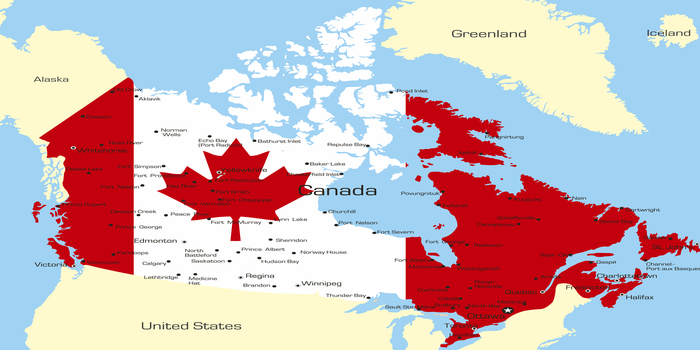
Ontario dominates the Canadian real estate industry with nearly 90,000 REALTORS®, more than half the national total [2]. The Ontario Real Estate Association funnels these members through boards like TRREB, which serves the Greater Toronto Area.
British Columbia follows with approximately 25,660 to 26,500 licensed realtors, concentrated in Vancouver's high-value housing market.
Alberta has seen significant growth, now hosting 16,465 to 17,200 real estate professionals, a number that's climbed steadily with westward migration and energy sector activity.
Quebec operates somewhat differently. The Organisme d'autoréglementation du courtage immobilier du Québec (OACIQ) handles provincial licensing, with approximately 16,501 to 16,800 brokers, most affiliated with CREA through regional boards.
[table id=7 /]
The territories combined have fewer than 300 REALTORS®. Sparse populations and limited transaction volume don't sustain larger numbers.
How Many Realtors Are in Canada: Breakdown by City

Urban concentration defines Canada's realtor distribution. The vast majority of real estate professionals cluster in major metros. Roughly 80 to 90% work in markets representing just 40% of the country's 41 million population.
Here’s how the top cities rank:
[table id=8 /]
The Greater Toronto Area stands alone. With over 73,000 CREA member agents, TRREB dwarfs every other regional board in the country. That concentration makes sense: the GTA drives approximately 25 to 30% of all Canadian real estate transactions, with median home prices exceeding $1.1 million.
So many agents competing in one market creates intense competition. In the GTA, there's roughly one realtor for every 90 to 100 residents. Buyers in Toronto encounter more agents competing for their business than anywhere else in Canada.
Historical Growth of the Number of Realtors in Canada
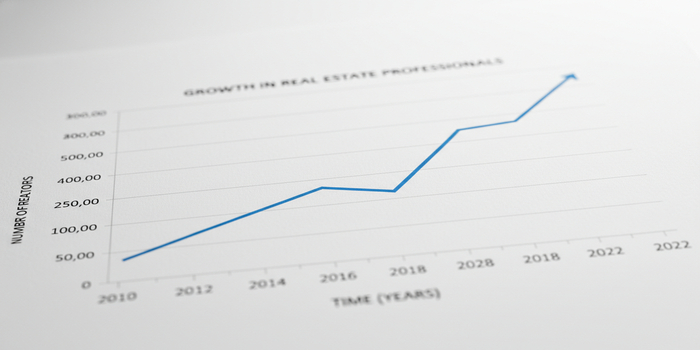
Canada's REALTOR® count has grown substantially over the past decade. In the mid-1990s, roughly 70,000 real estate professionals held CREA membership. By 2015, that number had crossed 100,000 as millennial homebuying surged and the housing market matured [3].
The pandemic era changed everything. Ultra-low interest rates, below 2%, remote work shifts, and stimulus-fueled demand created a housing frenzy between 2020 and 2022. Realtor numbers peaked above 170,000 as career-changers and part-timers flooded into the profession.
Then came normalization. The Bank of Canada hiked rates above 5% starting in 2023. Transaction volume dropped from 500,000-plus annual home sales to sub-400,000. Many agents left the industry during that correction, especially those with limited transaction experience or part-time commitments.
"This (declining membership since 2023) has had a significant impact on the budgets." — Janice Myers, CEO
By 2026, membership has stabilized around 155,000 [4]. This represents a market entering a new phase: not quite contracting, but no longer attracting new agents at pandemic rates. A decade ago, breaking into real estate seemed like easy money. Today's market demands more from those who stay.
What Does the Number of Realtors in Canada Really Mean
The raw number of realtors in Canada tells only part of the story. What matters is activity level, and here's where the 80/20 rule comes into sharp focus. 
Approximately 20% of active realtors handle 80% of all real estate transactions. The remaining majority complete fewer than 5 deals per year. Some estimates suggest 50 to 60% of CREA members are effectively part-time or inactive.
Canada's agent-to-population ratio sits at roughly 1 REALTOR® per 250 residents. Compare that to the U.S. at 1:400 or European markets averaging 1:1,000. By international standards, Canada has a lot of realtors relative to its population.
This saturation affects both consumers and new agents in concrete ways:
- Average per-agent transactions have dropped from 12 to 15 in 2021 to 8 to 10 by 2025
- Commission structures face compression, with 4 to 5% splits now common
- Service quality varies widely between experienced agents and newcomers
- A "flight to quality" trend favors agents with 5-plus years of experience and digital savvy
For consumers, saturation means more choice but also more exposure to agents who lack specialized knowledge. For anyone weighing entry into the profession, reaching the top tier requires a clear-eyed view of how competitive this market has become.
Key Factors Shaping the Number of Realtors in 2026

Several forces are actively influencing how many realtors operate in the Canadian real estate market this year:
Interest rates and transaction volume: The Bank of Canada's rate environment (4–4.5% in early 2026) directly correlates with deal flow. Fewer sales mean fewer commissionsand fewer people entering or staying in the industry. Annual transaction volume has dropped to 350,000–400,000 units, well below pandemic highs.
Technology and AI: Tools like virtual staging, predictive pricing platforms, and automated CRM systems are lowering some barriers to entry while raising the bar for professional standards. Successful agents now need tech fluency alongside market expertise.
Regulatory changes: Several provinces have tightened requirements. Alberta's Real Estate Council implemented 2025 reforms requiring 30% more field training. Ontario's Trust and Real Estate Services Act updates mandate greater transparency. These changes filter out underperformers but also slow new entrants.
Interprovincial migration: Alberta and Saskatchewan are seeing 5–10% annual membership growth in their local boards as population flows westward. Alberta alone gains 100,000+ new residents per year, driving demand for real estate services and attracting new agents.
How to Choose the Right REALTOR® in Canada

With so many agents in the market, picking the right one means looking past basic credentials. Every active REALTOR® has met minimum licensing requirements through their provincial real estate council and holds CREA membership. That baseline tells you almost nothing about performance.
What to evaluate instead:
- Transaction history: Aim for agents closing 20+ deals annually. Most provincial registries, like RECO in Ontario, allow public searches of agent records.
- Local market depth: Ask about specific neighbourhoods, recent sales, and accurate pricing strategies. The best agents demonstrate hyperlocal expertise and specialized knowledge you won't find on any listing sheet.
- Communication style: How quickly do they respond? Do they use modern tools for updates and listings? First time buyers especially benefit from proactive communication.
- Client outcomes: Top 10% agents close deals 3x faster at 98% list-to-sell ratios versus bottom-quartile performers at 75%.
For clients navigating Toronto's pre-construction condo market, where 50,000+ units launch annually, matching with a real estate agent who understands development pipelines, builder reputations, and assignment sales is non-negotiable.
Service quality and professional standards vary far more than most buyers realize, and many real estate agents with limited transaction experience are competing for the same clients as seasoned pros.
Personal experience matters. The difference between working with experienced agents versus someone new to the profession can significantly impact your outcome.
FAQ
1. Who owns 90% of Canada?
Federal or provincial governments own 90% of Canada's land. Only about 10% is privately held. Provincial governments are the largest single class of landowners, controlling all unclaimed land within their borders, a system rooted in British colonial land tenure.
2. How much money do realtors make in Canada?
Realtors in Canada make anywhere from $20,000 for beginners to over $126,000 for top earners, with a median around $85,000 per year. High-value markets like Toronto and Vancouver pay out significantly more than smaller, slower regional ones.
3. What is the difference between a realtor and a real estate agent in Canada?
The difference between a realtor and a real estate agent in Canade is that all REALTORS® are licensed agents, but not all agents are REALTORS®. The designation requires active CREA membership and adherence to a strict Code of Ethics. REALTORS® also gain access to the MLS® system and REALTOR.ca through their membership.
4. Are there too many realtors in Canada?
There are many realtors in Canada, with ~1 realtor per 250 Canadians and 80% of deals handled by just 20% of agents. Many agents complete fewer than 5 transactions annually, especially in major urban markets where competition is fiercest.
Conclusion

Canada's realtor count in 2026 reflects a market that boomed, peaked, and is now recalibrating. Whether you're buying, selling, or investing, especially in Toronto's pre-construction condo market, knowing how to evaluate an agent beyond their license is the real advantage.
For data-driven insights on the Toronto market and guidance on finding the right expert for your transaction, Precondo is your starting point.
References:
- https://www.crea.ca/who-we-are/mission/
- https://www150.statcan.gc.ca/n1/daily-quotidien/260310/dq260310d-eng.htm
- https://annualreport.crea.ca/2015/financials.html
- https://www.globenewswire.com/news-release/2026/04/15/3274695/0/en/The-Canadian-Real-Estate-Association-Installs-2026-2027-Board
