


All pets are truly man's best friends. Why only dogs? We humans have many furry friends to whom we are closely attached. But as pet owners looking for condo buildings or a condo corporation that accepts pets or is pet friendly, it is advisable that you first read the fine print and get some facts straight. Drawing from our hands-on analysis of condo policies across Canada's real estate market, we've found that pet regulations are one of the most frequently misunderstood aspects of condo living.
A particular condo may not be so forthcoming and accommodating about pet ownership. However, there are quite a few pet-owning condo residents out there too. Pet restrictions and pet rules differ from one condo board to the other. Sometimes, there may be pet restrictions enforceable in at least some, if not all, Toronto condos.
Quick Summary
- There has been a noticeable shift towards more pet-friendly policies in condominium buildings across Canada, particularly in urban areas like Toronto.
- As of our latest review in 2024, there are approximately 2,849 pet-friendly condos available for rent in Toronto, which includes a significant number of condominium units across various neighborhoods and price points.
- Some buildings may have limits on the number of pets allowed or specific size restrictions, and certain condos might only allow service animals or impose additional fees for pet ownership.
Can Condos Restrict Pets?
Some condos may restrict pets due to type and size limitations (e.g., weight limits), breed restrictions, limits on the number of pets, and usage restrictions about where pets can be taken within the condo premises.
Condos in Ontario can ban pets through their governing documents (declarations, bylaws, and rules). Condo corporations often have specific provisions related to pets and animals in their governing documents, and Ontario condos are allowed to have pet restrictions in their bylaws, which vary from building to building.
It's important to note that even in buildings with pet restrictions, service animals and emotional support animals are generally exempt under provincial human rights legislation. Condo corporations must accommodate these animals unless doing so causes undue hardship. Prospective buyers should always review a condo's governing documents carefully before purchasing to understand any pet-related limitations that may apply.
Understanding Condo Pet Regulations
Condominium corporations create pet policies through:
- Bylaws and declarations - Primary governing documents outlining basic pet restrictions.
- Board resolutions - Specific decisions made by condo boards regarding pet policies.
- Status certificates - Official documents detailing current building rules and regulations.
- Governing documents - Additional rules and amendments affecting pet ownership.
According to the Canadian Animal Health Institute, approximately 60% of Canadian households own a pet, making pet-friendly policies a significant factor in attracting potential residents and maintaining competitive rental markets [1].
Common Pet Restrictions in Toronto Condos
Most Toronto condominium buildings implement standardized pet policies that include several key limitations affecting pet owners.
Number and Size Limitations
| Restriction Type | Typical Limits | Variations |
|---|---|---|
| Number of Pets | Maximum 1-2 pets per unit | May vary by building size and amenities |
| Weight Limits | 50 pounds or less per pet | Some buildings have stricter 25-pound limits |
| Breed Restrictions | Certain breeds prohibited | Policies vary significantly between buildings |
Additional Requirements
Pet owners must typically comply with several administrative requirements:
- Spaying/neutering requirements - Most buildings require proof of sterilization.
- Up-to-date vaccinations - Annual vaccination records must be maintained.
- Registration with building management - Pets must be registered upon move-in.
- Insurance verification - Pet coverage must be confirmed in tenant insurance policies.
How to Research Pet Policies Before Buying or Renting
 Essential Documents to Review
Before committing to a condominium purchase or rental, request and thoroughly review these critical documents:
- Condominium Status Certificate - Request copies from your real estate agent containing current pet policies.
- Bylaws and Declaration - Review all pet-related clauses and restrictions carefully.
- Board Rules and Regulations - Check for recent policy updates or amendments.
- Disclosure Documents - Verify any pending policy changes that might affect pet ownership.
Questions to Ask Property Managers
When evaluating potential buildings, ask property managers these essential questions:
- What are the specific pet restrictions for this building?
- Are there additional fees or deposits required for pet ownership?
- What amenities are available for pets within the building?
- Have there been recent changes to pet policies or upcoming modifications?
- How are pet policies enforced, and what is the warning system?
Pet Owner Responsibilities
Behavioral Expectations
Pet owners must ensure their animals:
- Remain well-behaved in common areas
- Do not disturb other residents
- Are properly leashed in hallways and elevators
- Use designated pet relief areas only
Maintenance and Cleanliness
Owners are responsible for:
- Cleaning up after pets immediately
- Preventing damage to common elements
- Maintaining comfortable environments for all residents
- Covering any damages caused by pets
Financial Responsibilities
- Damage Compensation: Full responsibility for any property damage
- Additional Fees: Monthly pet fees where applicable
- Security Deposits: Refundable deposits for potential damages
- Insurance: Verify pet coverage in your policy
Special Considerations and Exceptions
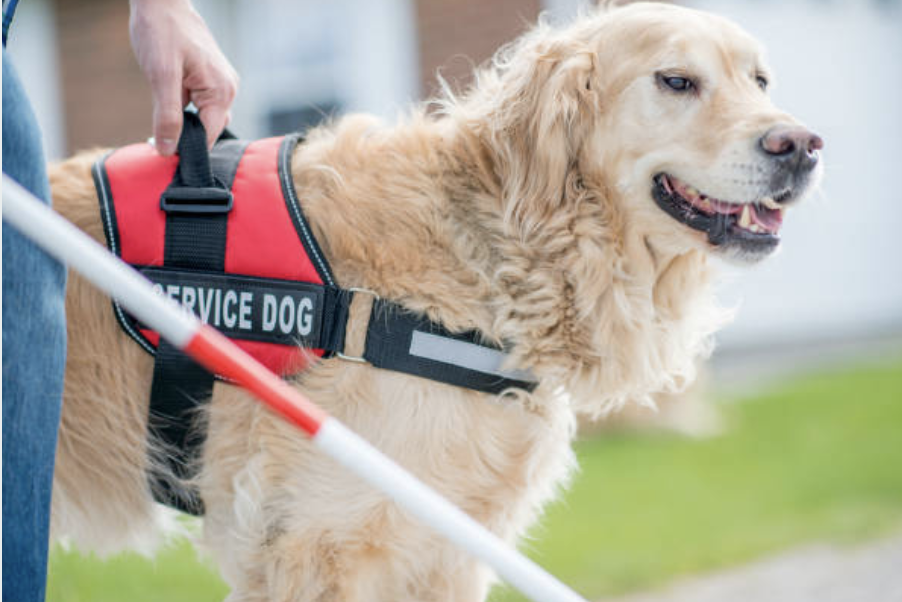
Service Animals
Service animals, guide dogs, and seeing-eye dogs are exempt from standard pet restrictions under accessibility legislation. These animals:
- Cannot be prohibited regardless of building pet policies
- Do not count toward pet limits
- Are not subject to additional fees
- Must be properly certified and licensed
Enforcement Challenges
Condominium corporations must consistently enforce their pet policies. Non-enforcement over extended periods may result in:
- Loss of ability to enforce restrictions
- Legal precedent for policy exceptions
- Mediation or court intervention favoring pet owners
FAQs
1. How do I find out if a condo allows pets before purchasing?
Request the condominium status certificate and review all bylaws, declarations, and board rules. Your real estate agent should provide these documents during the due diligence period.
2. What happens if I move in with a pet against building rules?
The condo corporation can seek legal action to have pets removed, though this is typically a last resort. Most buildings use a progressive warning system before pursuing legal remedies.
3. Are there additional costs for owning pets in condos?
Many buildings charge monthly pet fees ranging from $25-$75 per pet, plus potential security deposits. Some may require additional insurance coverage.
4. Can condo boards change pet policies after I move in?
Yes, boards can modify policies, but existing pet owners are typically grandfathered under previous rules. New restrictions usually apply to future residents only.
5. What size dogs are typically allowed in condos?
Most buildings set weight limits at 50 pounds or less, though some may allow larger dogs. Size restrictions vary significantly between buildings.
6. Do service animals count toward pet limits?
No, legitimate service animals are exempt from all pet restrictions, including number limits, size restrictions, and additional fees under accessibility legislation.
The landscape for pet ownership in Canadian condominiums is evolving positively, with many buildings adapting to meet the needs of pet owners through enhanced amenities and more flexible policies. However, potential buyers or renters should still verify specific building regulations regarding pets before making decisions.
Did you enjoy this article? See Precondo’s homepage for more information on properties for sale, rent and pre-construction properties.
References:
- https://www.fsresidential.com/alberta/news-events/articles/how-to-set-pet-policies-for-your-community/
