


If you want to know about the current stature of renting in Toronto, then you are in for a ride. The cost of renting in the city has undoubtedly hit the roof.
Drawing on our hands-on experience as real estate analysts tracking Toronto's rental market, we've assembled this comprehensive guide packed with expert insights, current market data, and actionable strategies to help you succeed in Toronto's competitive rental landscape.
Quick Summary
- Toronto's rental market has reached unprecedented heights with median one-bedroom rents hitting $2,452, representing a 3.1% year-over-year increase.
- The city faces a critical supply shortage with only 11,172 new units under construction while demand continues to surge from population growth and a booming tech sector.
- The vacancy rate has plummeted to just 1.8%, creating one of the tightest rental markets globally.
Current Market Snapshot
| Metric | 2024 Value | Year-over-Year Change |
|---|---|---|
| 1BR Median Rent | $2,452 | +3.1% |
| Available Units | 1,987 | -30.4% |
| Vacancy Rate | 1.8% | -1.4% |
| Average Days on Market | 14 days | Stable |
| Price per Square Foot | $4.50 | Slight increase |
| New Units Under Construction | 11,172 | Ongoing |
Key Market Indicators
The median rent for a one-bedroom condo has increased slightly, indicating stable demand in the rental market despite overall rental rates showing some fluctuations. The number of new construction units remains robust, reflecting ongoing efforts to meet housing demand in the city.
The average days on market for condos has remained consistent at 14 days, suggesting a competitive market where properties are selling relatively quickly. The average price per square foot has seen a slight increase to $4.50, highlighting the continued growth in property values.
1. The Rise of Condo Rental Demand
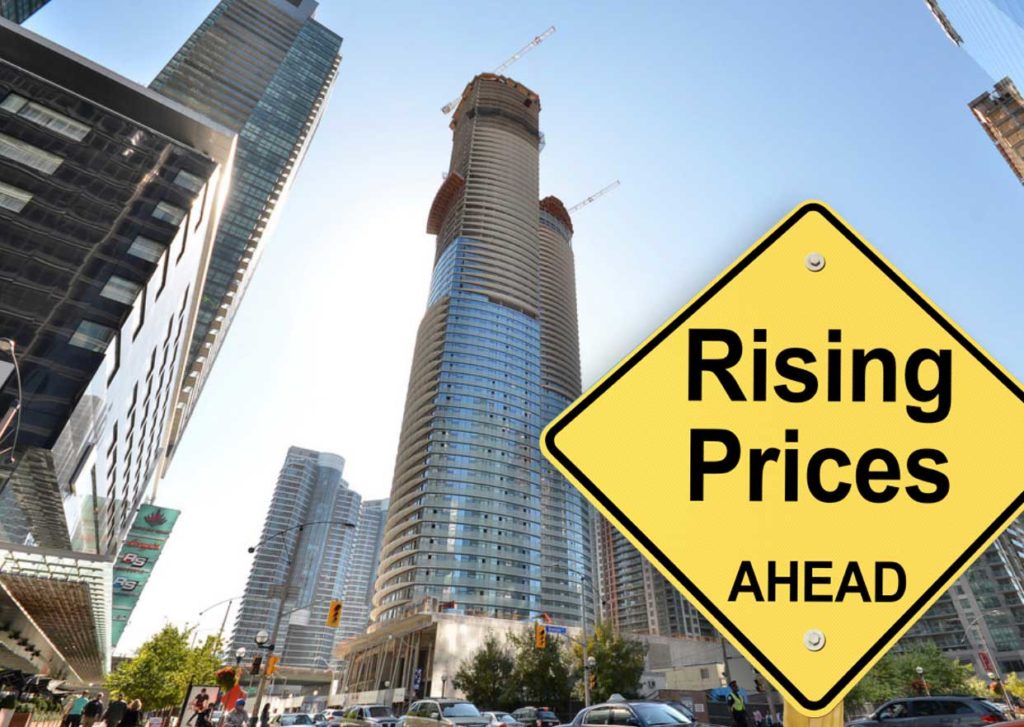
One of the major concerns right now is the lack of housing supply and the shrinking affordability gap between condos and single-family homes. For many would-be buyers, the current market simply does not offer a realistic path to ownership.
Now that municipal and provincial elections are behind us, all eyes are on policymakers to step up and support housing development at scale. Precondo's market analysts have pointed out that meaningful change requires not just zoning reform, but also streamlined approvals and more transparency around developer obligations.
The housing market's current stance is pushing average-income earners away from homeownership. People with an average income cannot even think of owning a home of over $800,000 in the city.
While the market is pushing people away from owning homes, the rental demand is apparently on the rise. The high home prices along with new government regulations have put a bar on many homebuyers, hence pushing them to try out the rental market [1].
"Due to a high demand and lack of supply for condos in the city, the % growth in rent in Toronto is among the fastest growing in the world."
- Greg Divine, McIntosh Perry
2. Booming Economy Drives Higher Living Costs

Toronto’s booming tech industry is a key driver of rising condo prices, pushing living costs beyond many budgets.
Major ventures such as Google City and a new hub for Microsoft continue to attract skilled workers, intensifying competition in the housing market. Toronto now ranks second in North America for tech and fourth globally—a status that draws talent from around the world.
But it’s not just tech. The city’s economy has diversified across financial services, life sciences, and creative industries, creating high-quality jobs across multiple sectors. This broad employment growth sustains strong demand for urban housing, even as supply struggles to keep pace.
The result is a clear imbalance: more renters and buyers chasing too few units, especially in prime downtown neighbourhoods. Key factors behind this pressure include:
- Increased influx of tech professionals seeking housing.
- Higher disposable income driving up rental prices.
- Competition for prime downtown locations.
- Preference for condo lifestyle over suburban living.
The trend of living in a safe and wholesome suburb is long gone. In big cities like Toronto, homebuyers yearn for the lifestyle and accommodation offered by condos instead.
3. Urban Expansion and Infrastructure Challenges
Mostly, to balance the supply and demand rate in the city, there's a need to deal with affordability, environmental issues, and even the infrastructure. This will involve resolving the rising rate of urban sprawl with the increasing densification in the city.
As a calming relief, the increasing number of condos in Toronto is certainly good news. The number of new condo developments is expected to increase in the coming year. In order to meet the overall demand, the rental constructions are essential.

Mostly, to balance the supply and demand rate in the city, there's a need to deal with affordability, environmental issues, and even the infrastructure. This will involve resolving the rising rate of urban sprawl with the increasing densification in the city.
As a calming relief, the increasing number of condos in Toronto is certainly good news. The number of new condo developments is expected to increase in the coming year. In order to meet the overall demand, the rental constructions are essential.
4. Population Growth Driving Demand

Toronto remains a major immigrant destination, contributing to its status as one of the fastest-growing cities in North America.
In 2024, the city recorded a population growth rate that continues to outpace previous decades, driven largely by millennials seeking urban living.
The demand for condos is increasing as more residents appreciate the lifestyle benefits of city living. As of Q2 2024, condo apartment sales amounted to 5,474, down 19.8% from 6,824 in Q2 2023.
However, new listings surged by 36.5%, reaching 16,917, indicating a growing inventory amid high demand.
Average condo prices have remained relatively stable, with the average selling price at $729,005, a slight decrease of 1.2% year-over-year.
In the City of Toronto specifically, the average price was $765,963, down by 0.5% compared to last year [2].
What Is the Average Condo Rent in Toronto?
Average condo rent in Toronto varies significantly by unit size and location. One-bedroom condos average around $2,300-$2,500 per month, while two-bedroom units typically rent for $3,000-$3,500 monthly. Rent per square foot in Toronto varies by property type and location, with condos typically ranging from $3.50-$5.50 per square foot annually in most areas.
Studio apartments generally range from $1,800-$2,200, and three-bedroom condos can command $4,000-$5,000+ depending on the building and neighborhood.
Prime downtown locations like King West, Entertainment District, and Yorkville command premium rents that can be 15-25% higher than the city average, while areas like North York, Scarborough, or Etobicoke offer more affordable options typically $200-$500 below downtown rates.
Market Trends and Future Outlook
Recent Market Developments
- 1BR Median Rent: As of February 2024, the average rent for a one-bedroom unit in Toronto is approximately $2,324, reflecting a year-over-year increase of about $176 since February 2023.
- Available Units: The number of available rental units has decreased significantly, indicating a tighter rental market.
- Vacancy Rate:The vacancy rate has dropped to 1.8%, suggesting strong demand for rental properties in Toronto.
FAQs
1. What is the average rent for condos in Toronto?
As of early 2024, the average rent for a one-bedroom condo in Toronto is approximately $2,452, while a two-bedroom unit averages around $3,178. These figures can vary based on the neighborhood and specific amenities offered.
2. How do condo rentals differ from traditional apartment rentals?
Condo rentals often come with additional amenities such as gyms, pools, and concierge services. However, they may also have specific rules governed by the condominium corporation that tenants must follow.
3. Are utilities included in the average rent of condo rentals?
Utilities can vary by unit. Some condos include heat and water in the rent, while others may require tenants to pay for hydro (electricity) separately. Always check with the landlord or property management for specifics.
4. What factors are driving Toronto's rental market growth?
Key factors include population growth, a booming tech sector attracting high-income professionals, limited housing supply, government regulations affecting homebuying, and the preference for urban condo living over suburban homes.
5. How competitive is the Toronto rental market?
The market is extremely competitive with properties spending an average of just 14 days on the market and a vacancy rate of only 1.8%. Prospective tenants often need to act quickly and come prepared with all necessary documentation.
6. What neighborhoods offer the best value for rental properties?
While downtown condos command premium prices, emerging neighborhoods with good transit connections often provide better value. Consider areas with upcoming developments and infrastructure improvements.
Investment Opportunities
If you’re looking for condos to buy in Toronto, NOW is the best time because the prices will keep rising with time and new condo developments are coming up at a fast pace.
If you want to improve your chances of obtaining it, it’s best to get in the market right now with great deals on condos. Explore the many new condo projects in the city and benefit from the pricing before it spikes.
A word of advice from us here at Precondo: Remember that it is better to buy than rent, so you can call this investment your own.
Now is the perfect time to carve a slice out of the magnificent skyline of Toronto.
References:
1. https://www.bloomberg.com/news/articles/2018-10-11/toronto-condo-rents-hit-new-record-as-supply-remains-crunched
2. https://trreb.ca/market-data/condo-market-report/

Comments are closed.